
Drain cleaning is an essential yet often overlooked aspect of home maintenance. Clogged drains can lead to a multitude of issues, ranging from unpleasant odors to severe plumbing problems. Understanding how to properly clean your drains can save you time, money, and stress in the long run. In this article, we will explore various methods of drain cleaning, the importance of regular maintenance, and when to call in the professionals.
Understanding Drain Clogs
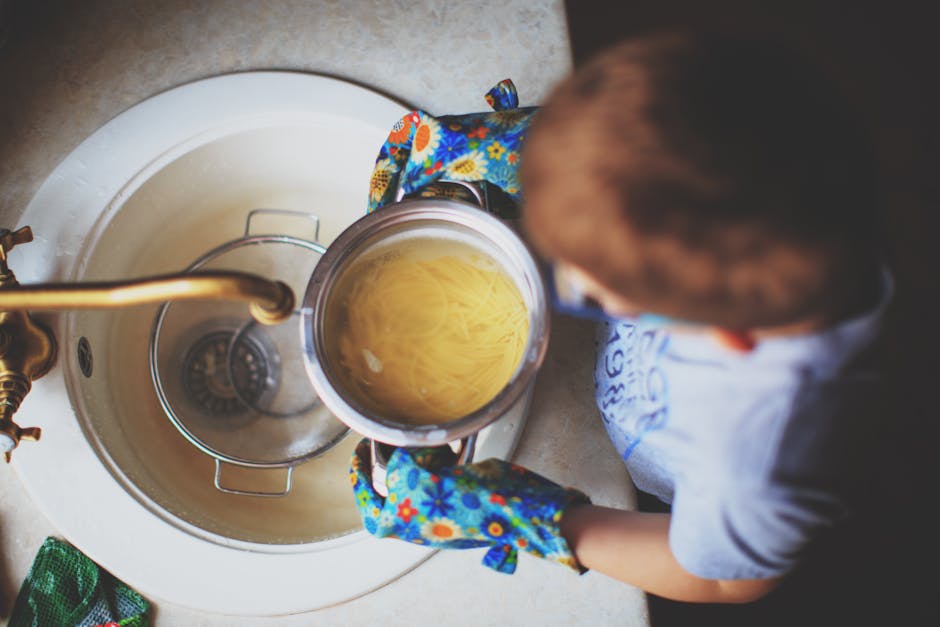
Before diving into cleaning methods, it is crucial to understand what causes drain clogs. Common culprits include hair, grease, soap scum, and food particles. According to a survey, over 75% of homeowners experience clogged drains at least once a year. This statistic highlights the prevalence of the issue and the importance of proactive maintenance.
Hair is one of the most common causes of bathroom drain clogs. It can easily combine with soap and other residues to form a stubborn blockage. In kitchens, grease buildup is often the main offender, as cooking fats can solidify and create significant obstructions. Understanding these causes can help you develop a more effective cleaning strategy.
DIY Drain Cleaning Methods
For minor clogs, DIY methods can often be effective. One popular technique involves using a mixture of baking soda and vinegar. Pour half a cup of baking soda down the drain, followed by half a cup of vinegar. This combination creates a fizzing reaction that can help break down debris and clear minor clogs.
Another effective method is using a plunger. Ensure there is enough water in the sink or tub to cover the plunger’s cup. Create a tight seal and plunge vigorously to dislodge the clog. This method is particularly useful for toilets and sinks.
When to Use Chemical Drain Cleaners
Chemical drain cleaners can be effective for stubborn clogs; however, they should be used with caution. These products contain harsh chemicals that can damage pipes if used excessively. Additionally, they can pose health risks if not handled properly. Always follow the manufacturer’s instructions and consider using them as a last resort.
For those who prefer a more environmentally friendly approach, enzymatic drain cleaners can be a safer alternative. These products use natural enzymes to break down organic matter without harmful chemicals. They are generally safe for all types of plumbing and can be used regularly to maintain clear drains.
Professional Drain Cleaning Services
While DIY methods can be effective for minor issues, some clogs require professional intervention. If you find that your drains are frequently clogging, it may be time to call in the experts. Professional drain cleaning services utilize advanced equipment, such as hydro-jetting, to clear even the most stubborn blockages.
Moreover, regular maintenance by professionals can help identify potential issues before they escalate into costly repairs. For instance, if you are situated in Crown Point, consider reaching out for Sewer repair Crown Point IN to ensure your plumbing system remains in top condition.
The Importance of Regular Drain Maintenance
Regular drain maintenance can prevent significant issues down the line. Experts recommend cleaning your drains at least once every six months. This proactive approach can help catch early signs of clogging and prevent major blockages.
Additionally, using strainers in sinks and tubs can significantly reduce the amount of debris entering your drains. Simple measures like regularly cleaning these strainers can help maintain clear drainage paths.
Conclusion
Drain cleaning is a vital but often neglected part of home maintenance. By understanding the causes of clogs, employing effective DIY methods, and knowing when to call in professionals, homeowners can ensure their plumbing systems function smoothly. Regular maintenance not only saves time and money but also extends the lifespan of your plumbing. Taking these steps will lead to a healthier home environment and peace of mind.
