
Chemical peels have gained immense popularity in recent years as a method for achieving smoother, clearer skin. This cosmetic treatment involves the application of a chemical solution to the skin, which causes it to exfoliate and eventually peel off. As the skin heals, it reveals a new layer that is often smoother and less wrinkled. In this article, we will explore the different types of chemical peels, their benefits, potential risks, and aftercare tips to ensure optimal results.
Understanding Chemical Peels
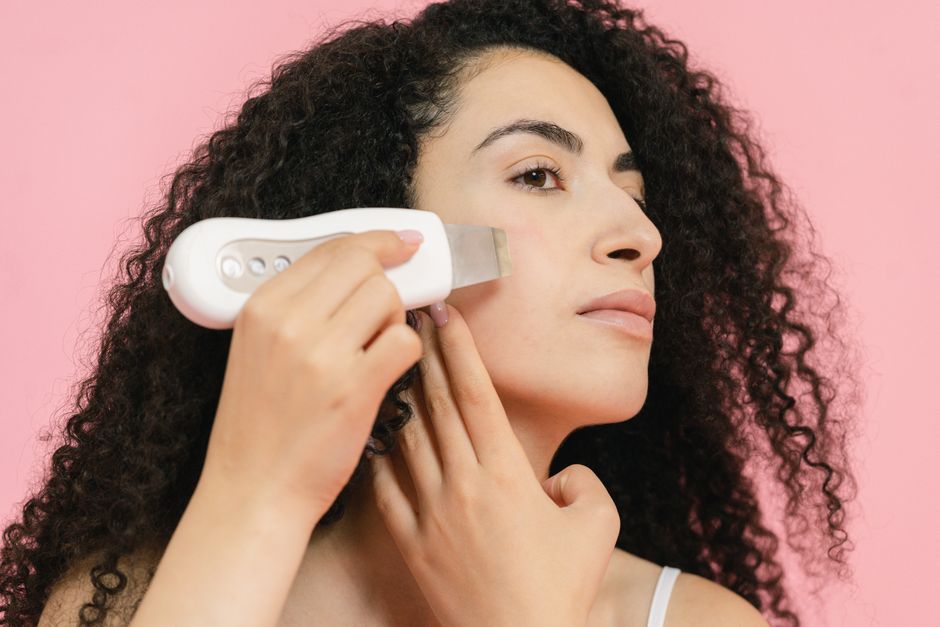
Chemical peels are categorized into three main types: superficial, medium, and deep peels. Superficial peels are the mildest, typically using alpha hydroxy acids (AHAs) to treat minor skin issues like dryness and uneven texture. Medium peels use trichloroacetic acid (TCA) to target more significant concerns such as age spots and moderate wrinkles. Deep peels, on the other hand, penetrate the deeper layers of skin using phenol or high concentrations of TCA, making them effective for severe sun damage and deep wrinkles.
The choice of peel depends on the individual’s skin type, the specific skin issues being addressed, and the desired results. Consulting with a qualified dermatologist is essential to determine the most appropriate treatment plan.
Benefits of Chemical Peels
Chemical peels offer a variety of benefits, making them a favored choice among those seeking skin rejuvenation. One of the primary advantages is the reduction of fine lines and wrinkles, particularly around the eyes and mouth. According to a study published in the Journal of Cosmetic Dermatology, patients who underwent chemical peel treatments reported a significant improvement in skin texture and reduction in visible signs of aging.
Additionally, chemical peels are effective in treating acne and acne scars. The exfoliating nature of the treatment helps to unclog pores and reduce inflammation, leading to clearer skin. Moreover, chemical peels can enhance the overall appearance of the skin by promoting collagen production, resulting in a firmer and more youthful look.
Potential Risks and Side Effects
While chemical peels are generally safe, there are potential risks and side effects that patients should be aware of. Common side effects include redness, swelling, and peeling of the skin, which can last several days depending on the depth of the peel. In rare cases, patients may experience scarring or changes in skin pigmentation, especially those with darker skin tones.
It is crucial to follow pre- and post-treatment instructions provided by the dermatologist to minimize these risks. For instance, avoiding sun exposure and using sunscreen diligently can help protect the skin during the healing process.
Aftercare for Chemical Peels
Proper aftercare is essential for achieving the best results from a chemical peel. Patients should avoid harsh skincare products and exfoliants for at least a week post-treatment. Instead, gentle cleansers and moisturizers should be used to keep the skin hydrated and promote healing.
Furthermore, it is advisable to avoid strenuous exercise and excessive sweating for a few days following the procedure. Keeping the skin moisturized and hydrated will aid in the recovery process, allowing for a smoother and more radiant complexion.
The Future of Chemical Peels
As the field of dermatology continues to evolve, so do the techniques and ingredients used in chemical peels. Researchers are constantly exploring new formulations that provide enhanced results with fewer side effects. Innovations such as the incorporation of growth factors and antioxidants are expected to further improve the efficacy of chemical peels.
For anyone considering a cosmetic treatment, it is essential to weigh the benefits against the potential risks. A reputable skincare professional can provide guidance on the best options available. For more detailed information, you can explore the chemical peel treatment on various platforms.
Conclusion
Chemical peel treatments offer a practical solution for individuals looking to improve their skin’s appearance and texture. With various types available, it is crucial to understand the options and consult with a professional to make an informed decision. By combining effective treatments with proper aftercare, individuals can achieve the glowing, youthful skin they desire.
