
In recent years, the fashion industry has witnessed a significant shift towards private label clothing. This trend has opened up new avenues for retailers and brands, allowing them to offer unique products that resonate with their target audience. The concept of private label clothing revolves around items that are branded under a retailer’s name but produced by a third-party manufacturer. This model not only enhances brand identity but also provides a competitive edge in a crowded marketplace.
Understanding Private Label Clothing
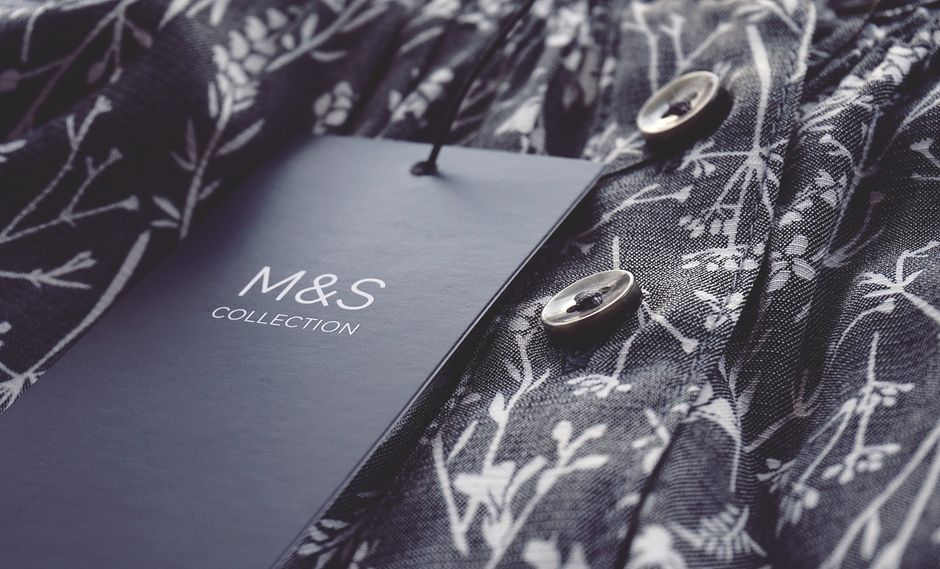
Private label clothing refers to apparel that is manufactured by one company for sale under another company’s brand. This approach allows retailers to control the quality, pricing, and branding of their products while minimizing production costs. According to a report by Statista, the private label market in the fashion industry has been growing steadily, with an estimated market share of over 20% in 2022.
One of the primary reasons retailers opt for private label clothing is the ability to offer exclusive designs that are not available from other brands. This exclusivity can attract more customers and build brand loyalty. For instance, major retailers like Target and Walmart have successfully capitalized on this trend by launching their own lines of private label clothing, catering to various demographics and fashion preferences.
The Benefits of Private Label Clothing
Adopting a private label strategy comes with several advantages. Firstly, retailers can achieve higher profit margins compared to selling national brands. By eliminating intermediaries and negotiating directly with manufacturers, retailers can lower production costs and set competitive prices. This is particularly beneficial for small businesses looking to establish themselves in the market.
Secondly, private label clothing allows for greater flexibility in responding to market trends. Retailers can quickly adapt their product offerings based on customer feedback and changing fashion trends. This agility is crucial in the fast-paced fashion industry, where consumer preferences can shift rapidly.
Challenges in the Private Label Clothing Sector
Despite the benefits, there are challenges associated with private label clothing. One significant hurdle is the need for effective supply chain management. Retailers must ensure that their manufacturers adhere to quality standards and timelines. Any delays or quality issues can adversely impact the brand’s reputation.
Additionally, retailers must invest in marketing and branding efforts to differentiate their private label products from competitors. Building brand recognition and consumer trust takes time and resources. However, once established, private label clothing can become a significant revenue driver.
Success Stories in Private Label Clothing
Several brands have successfully leveraged the private label model to enhance their market presence. For example, Amazon’s private label fashion line, Amazon Essentials, has gained popularity for its affordable and stylish offerings. This line caters to a wide range of consumers, proving that private label clothing can be both trendy and accessible.
Another notable example is the clothing brand Everlane, which focuses on transparency and ethical production. By offering a range of private label basics, Everlane has created a loyal customer base that values sustainability and quality. These success stories highlight the potential of private label clothing to resonate with modern consumers.
How to Start with Private Label Clothing
For retailers considering entering the private label clothing market, several steps can guide the process. First, conducting thorough market research is essential to identify gaps and opportunities within the target audience. Understanding consumer preferences and trends will inform product development.
Next, establishing strong partnerships with reliable manufacturers is crucial. Retailers should prioritize quality and ethical production practices when selecting suppliers. This ensures that the final product aligns with the brand’s values and meets customer expectations.
Finally, a solid marketing strategy is vital for the success of private label clothing. Retailers should leverage social media, influencer partnerships, and online platforms to promote their products effectively. Engaging storytelling and showcasing the unique features of private label items can attract potential customers.
In conclusion, private label clothing presents an exciting opportunity for retailers to differentiate themselves in a competitive market. By understanding the benefits and challenges, as well as learning from successful brands, businesses can strategically navigate the private label landscape. As the demand for unique and exclusive products continues to grow, retailers who embrace this model may find themselves at the forefront of the fashion industry.
