
The kitchen is often referred to as the heart of the home, a place where families gather, meals are prepared, and memories are created. Remodeling your kitchen can not only enhance your cooking experience but also significantly increase the value of your home. In this comprehensive guide, we will explore the essential aspects of kitchen remodeling, from planning and budgeting to design trends and tips for a successful renovation.
Understanding the Purpose of Your Kitchen Remodel
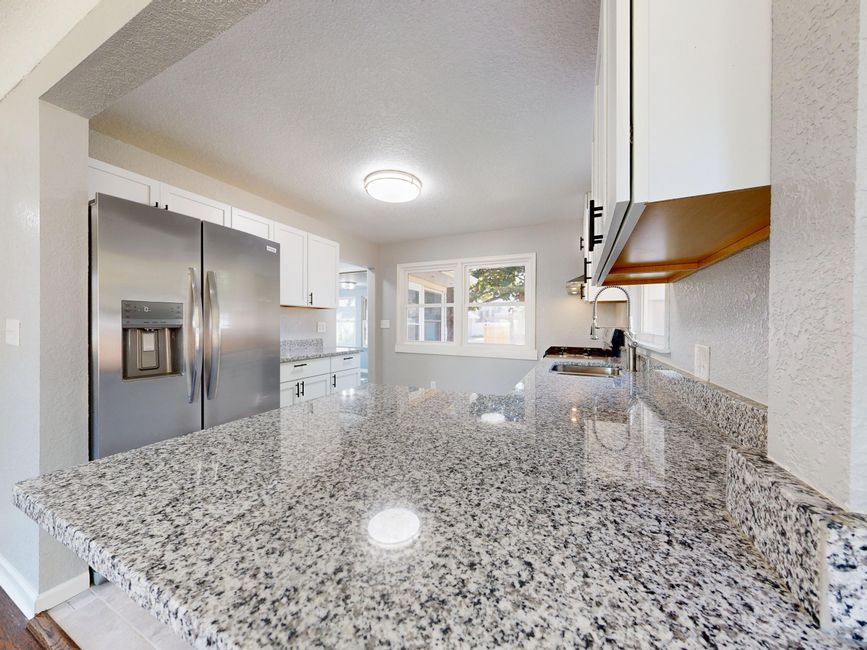
Before diving into the details of kitchen remodeling, it is crucial to understand why you want to remodel your kitchen. Are you looking to create a more functional space, improve aesthetics, or increase your home’s resale value? Knowing your primary goal will guide your decisions throughout the remodeling process.
For instance, if your goal is functionality, you might prioritize layout changes that enhance workflow. On the other hand, if aesthetics are your main concern, you might focus more on cabinetry, countertops, and flooring materials that align with your design vision.
Setting a Realistic Budget
Budgeting is one of the most critical steps in any remodeling project. It is essential to set a realistic budget that reflects your goals and the scope of the work you wish to undertake. According to industry standards, kitchen remodels can range from minor updates costing around $5,000 to major renovations exceeding $50,000. Take time to research and gather estimates from contractors to understand what is feasible within your budget.
Moreover, it is wise to set aside an additional 10-20% of your budget for unforeseen expenses. This buffer can be a lifesaver in case you encounter issues like plumbing problems or outdated electrical systems during the renovation.
Choosing the Right Design and Layout
The design and layout of your kitchen play a significant role in its overall functionality and appearance. Popular layouts include the U-shape, L-shape, galley, and open-concept designs. Each layout has its advantages, depending on your available space and how you plan to use your kitchen.
For example, an open-concept layout can create a more spacious feel and promote interaction between the kitchen and adjoining living areas. If you have a smaller kitchen, a galley layout may maximize efficiency while still providing enough storage and workspace.
When considering design elements, think about the color scheme, materials, and appliances that reflect your personal style. Incorporating modern trends, such as smart appliances and sustainable materials, can also enhance both functionality and appeal.
Key Features to Consider
When planning your kitchen remodel, several key features can make a significant impact on both usability and aesthetics. Here are a few elements to consider:
- Cabinetry: Choosing the right cabinetry can transform the look of your kitchen. Consider custom cabinets for a tailored fit or pre-fabricated options for budget-friendly solutions.
- Countertops: Materials like granite, quartz, and butcher block offer different benefits. Granite is durable and heat-resistant, while quartz provides a non-porous surface that is easy to maintain.
- Lighting: Good lighting is essential in any kitchen. Layered lighting, including task, ambient, and accent lighting, can enhance both functionality and atmosphere.
Remember to think about how these features will work together harmoniously to create a cohesive look.
Executing the Remodel: Tips for Success
Once you have a plan in place, it’s time to execute the remodel. Here are some tips to ensure a smooth process:
1. **Hire a Professional:** Unless you are skilled in DIY projects, hiring a contractor can save you time and prevent costly mistakes.
2. **Communicate Clearly:** Maintain open lines of communication with your contractor to ensure that everyone is on the same page regarding timelines and expectations.
3. **Stay Organized:** Keep track of all receipts, contracts, and communications related to the remodel. This organization can help you manage your budget and timelines effectively.
4. **Be Flexible:** Renovations can often uncover unexpected challenges. Being flexible and open to changes can help you adapt and find solutions quickly.
If you are looking for inspiration, consider exploring various designs and styles for your kitchen. Resources like kitchen remodeling can provide you with ideas that resonate with your vision.
Conclusion
Kitchen remodeling is an exciting journey that can breathe new life into your home. By understanding your goals, setting a realistic budget, and carefully planning your design and layout, you can create a kitchen that is not only functional but also beautiful. Whether you are looking to enhance your cooking experience or increase your home’s value, a well-executed kitchen remodel can offer lasting benefits that you and your family will enjoy for years to come.
