
Stainless steel is a remarkable material that has become an essential part of modern life. Its unique properties, including corrosion resistance, strength, and aesthetic appeal, have made it a favorite in numerous industries. From kitchen utensils to architectural marvels, stainless steel is everywhere. In this article, we will explore the various applications, advantages, and future of this incredible alloy.
Understanding Stainless Steel
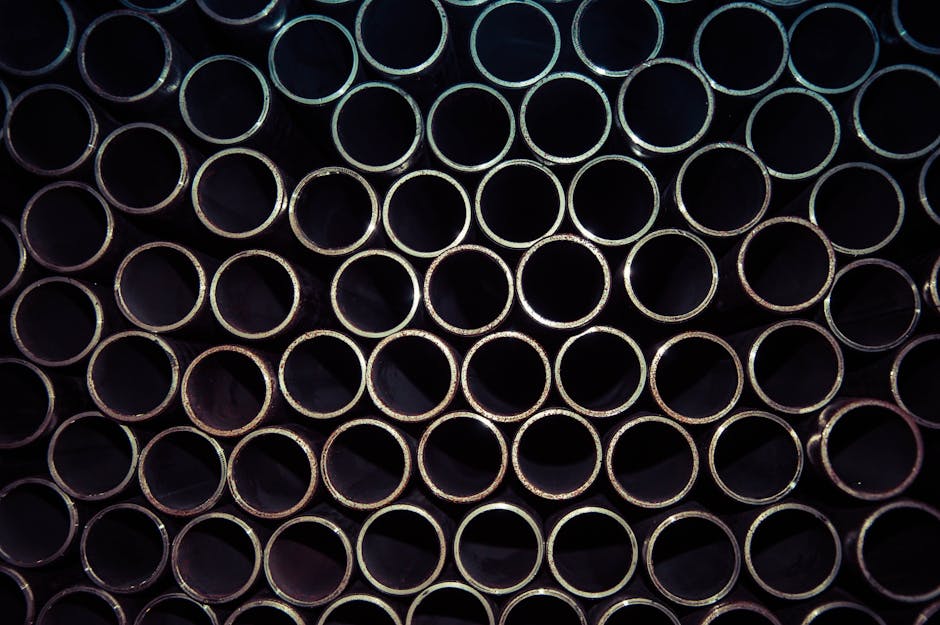
Stainless steel is an alloy primarily composed of iron, carbon, and at least 10.5% chromium. The addition of chromium creates a passive layer of chromium oxide on the surface, which prevents rusting and corrosion. This fundamental property makes stainless steel an ideal choice for environments that are prone to moisture and chemicals.
There are several grades of stainless steel, each tailored for specific applications. For instance, 304 stainless steel is widely used in kitchen equipment, while 316 stainless steel, which contains molybdenum, is preferred in marine applications due to its enhanced corrosion resistance. The versatility of stainless steel allows it to be used in everything from medical instruments to automotive parts.
Applications in Everyday Life
The applications of stainless steel are vast and varied. In the culinary world, its non-reactive nature makes it perfect for cookware and utensils. Chefs around the globe favor stainless steel for its durability and ease of cleaning. Additionally, the aesthetic appeal of polished stainless steel makes it a popular choice for kitchen designs.
In construction, stainless steel is often used for structural components, roofing, and cladding. Its strength-to-weight ratio ensures that buildings are not only strong but also lightweight. For example, many iconic skyscrapers utilize stainless steel in their façades, providing both beauty and resilience against the elements.
Furthermore, the medical field relies heavily on stainless steel for surgical instruments, implants, and equipment. The material’s ability to withstand sterilization processes ensures that it remains safe for use in critical environments.
The Environmental Benefits of Stainless Steel
One of the most significant advantages of stainless steel is its recyclability. Approximately 70% of stainless steel is recycled globally, making it one of the most sustainable materials available. The recycling process requires less energy compared to the production of new stainless steel, reducing the overall carbon footprint.
Moreover, stainless steel’s longevity contributes to environmental sustainability. Products made from stainless steel can last for decades, minimizing the need for replacements and reducing waste. For businesses looking to bolster their green credentials, using stainless steel in manufacturing can be a significant step towards sustainability.
Challenges and Innovations
Despite its many advantages, stainless steel does face challenges. For instance, the material can be more expensive than alternatives, such as carbon steel or plastic. However, the long-term benefits often outweigh the initial costs. As technology advances, new methods for producing stainless steel more efficiently are being developed, potentially lowering costs.
Innovations in stainless steel technology are also making the material even more versatile. New coatings and treatments can enhance its properties, making it suitable for even more applications. Research is ongoing to develop stainless steel alloys that can withstand extreme conditions, such as high temperatures or aggressive chemicals.
In the furniture industry, companies are beginning to embrace stainless steel for its modern aesthetic and durability. A Furniture Company In Saudi Arabia has integrated stainless steel into their designs, offering furniture that combines elegance with practicality.
Conclusion
Stainless steel is a material that combines beauty, strength, and sustainability. Its applications span across various industries, making it an indispensable component of modern life. As we continue to innovate and improve upon its properties, the future of stainless steel looks bright. Whether in your kitchen, your office, or even in the buildings around you, stainless steel is a testament to the ingenuity of material science.
