
As the global population continues to rise, the demand for sustainable food production methods has never been more critical. One innovative solution gaining traction is vertical farming technology. This method not only maximizes space but also minimizes the environmental footprint of traditional agriculture. In this article, we will delve into what vertical farming is, its benefits, and how it is revolutionizing the agricultural landscape.
Understanding Vertical Farming
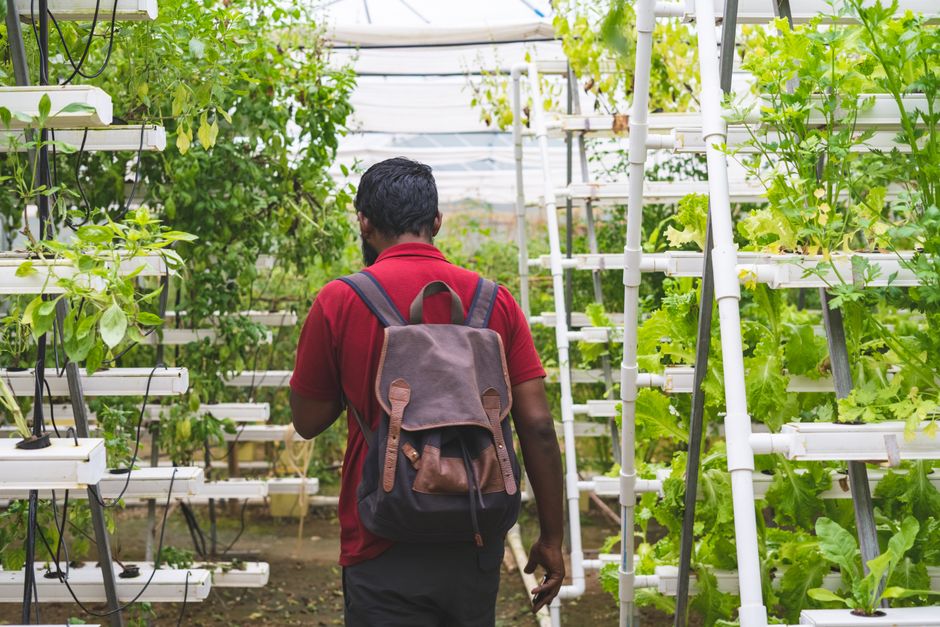
Vertical farming refers to the practice of growing crops in vertically stacked layers, often integrated into structures like skyscrapers or repurposed warehouses. This method uses controlled-environment agriculture (CEA) technology, which allows for optimal growing conditions regardless of external climate. By utilizing advanced hydroponic, aeroponic, or aquaponic systems, vertical farms can produce food year-round.
The concept of vertical farming is not entirely new; however, technological advancements have propelled its feasibility and appeal. Research indicates that vertical farming can produce up to 100 times more food per square foot than traditional farming methods. This is achieved through the efficient use of artificial lighting, climate control, and nutrient delivery systems.
Benefits of Vertical Farming
One of the primary advantages of vertical farming technology is its ability to conserve resources. Traditional agriculture requires vast amounts of water, land, and energy. In contrast, vertical farms can use up to 90% less water than conventional farming techniques. This is largely due to the recirculation of water and nutrients in hydroponic systems.
Additionally, vertical farms can be established in urban areas, significantly reducing the need for transportation and the associated carbon emissions. For instance, a vertical farm located near a city can deliver fresh produce within hours of harvesting, ensuring maximum freshness for consumers. This model not only supports local economies but also contributes to food security in densely populated regions.
Technological Innovations Driving Vertical Farming
The rise of vertical farming is closely linked to technological innovations. Sensors and data analytics play a crucial role in monitoring plant health, optimizing growth conditions, and reducing waste. For example, systems equipped with IoT (Internet of Things) devices can track humidity, temperature, and nutrient levels in real time, allowing for precise adjustments.
Moreover, advancements in LED lighting technology have made it possible to simulate natural sunlight more efficiently. This not only enhances plant growth but also lowers energy costs, making vertical farming more economically viable. As a result, many startups and established companies are investing heavily in research and development to make vertical farming even more efficient and accessible.
Challenges and Considerations
Despite its numerous benefits, vertical farming technology also faces challenges. The initial setup costs can be significant, requiring substantial investment in infrastructure and technology. Additionally, the reliance on technology means that any technical failures can lead to crop losses.
Moreover, consumer acceptance plays a vital role in the success of vertical farming. While awareness is increasing, some consumers remain wary of the nutritional value and taste of produce grown in controlled environments. Education and transparency about the farming processes can help mitigate these concerns.
The Future of Vertical Farming
Looking ahead, the future of vertical farming technology appears promising. As urban populations continue to grow, the need for sustainable food production methods will only intensify. Governments and private sectors are beginning to recognize the potential of vertical farming in addressing food security and climate change.
Many cities around the world are already implementing vertical farms as part of their urban planning strategies. These initiatives not only provide fresh produce but also create green spaces in urban environments, contributing to overall well-being. Furthermore, the integration of vertical farming into existing agricultural systems could lead to a more resilient food supply chain.
In conclusion, vertical farming technology presents a viable solution to the challenges of modern agriculture. By harnessing innovative techniques and embracing sustainability, we can pave the way for a future where food production is efficient, environmentally friendly, and accessible to all. For further insights into the advancements in this field, consider exploring the latest trends in vertical farming technology.
