
The ambiance of a restaurant plays a pivotal role in the overall dining experience. A well-thought-out interior design can transform a simple meal into a memorable event, influencing everything from customer satisfaction to repeat visits. In this article, we will explore the essential elements of restaurant interior design, highlighting trends, practical tips, and the impact of design on consumer behavior.
Understanding the Basics of Restaurant Interior Design
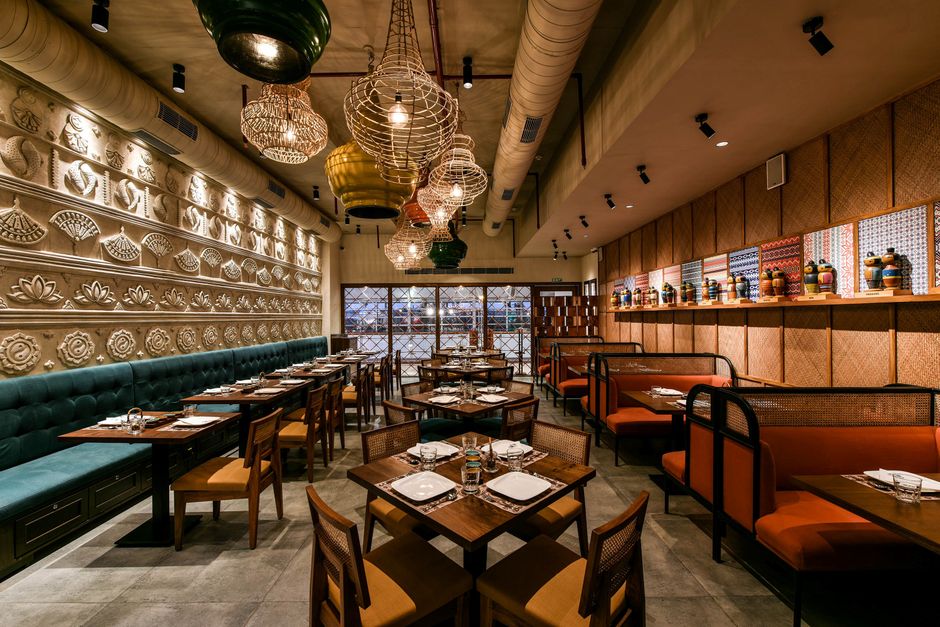
Before diving into specific styles or trends, it’s crucial to understand the fundamental principles of restaurant interior design. The primary goal is to create an environment that resonates with the restaurant’s brand identity while ensuring comfort for guests. Key components include layout, color schemes, furniture selection, and lighting. For instance, an upscale dining establishment may opt for plush seating and muted tones, while a casual eatery might favor bright colors and functional furniture.
Moreover, the layout should facilitate a smooth flow of movement for both guests and staff. An open floor plan might work well for a fast-casual restaurant, allowing for quick service, while a more segmented layout could enhance privacy in a fine dining setting. The strategic placement of furniture and fixtures can significantly affect how patrons perceive the space.
Current Trends in Restaurant Interior Design
As with any design field, restaurant interior design evolves with changing consumer preferences and cultural shifts. One of the most notable trends is the incorporation of sustainable materials. Many restaurants are now opting for reclaimed wood, recycled metals, and eco-friendly furnishings to appeal to environmentally-conscious diners.
Another trend is the use of technology in design. Interactive elements, such as digital menus and augmented reality experiences, are becoming popular, especially among tech-savvy generations. Furthermore, open kitchens are gaining traction, allowing diners to see their food being prepared, which enhances transparency and trust.
The Importance of Lighting in Restaurant Design
Lighting is a crucial aspect of restaurant design that often goes overlooked. It not only illuminates the space but also sets the mood for the dining experience. The right lighting can make a restaurant feel cozy and inviting or vibrant and energetic, depending on the desired atmosphere.
For example, dimmed lighting with warm tones can create an intimate setting ideal for romantic dinners, while bright, white lighting may be suitable for a lively brunch spot. Additionally, accent lighting can highlight specific design features, such as artwork or architectural details, making them focal points within the restaurant.
Creating a Unique Brand Identity Through Design
The interior design of a restaurant should reflect its brand identity and story. This involves more than just aesthetics; it’s about creating a cohesive experience that resonates with the target audience. For instance, a farm-to-table restaurant might incorporate rustic elements, such as wooden tables and vintage decor, to emphasize its commitment to local produce.
Moreover, the design should evoke the emotions that the brand aims to convey. A high-end sushi restaurant may opt for minimalist decor and serene colors to reflect sophistication, while a family-friendly diner might feature bright visuals and playful decor to create a welcoming atmosphere for all ages. This alignment between design and brand identity is essential for leaving a lasting impression on customers.
Conclusion: The Impact of Thoughtful Design
Ultimately, restaurant interior design is a powerful tool that can enhance the dining experience and drive business success. From understanding the basics to embracing current trends and aligning with brand identity, thoughtful design can transform a restaurant into a destination. As the industry continues to evolve, staying informed about design principles and consumer preferences will be crucial for restaurateurs looking to create unforgettable dining experiences. For those seeking inspiration or guidance, exploring resources in restaurant interior design can provide valuable insights.
