
Irrigation systems are essential for modern agriculture, ensuring that crops receive the necessary water for growth and development. As water scarcity becomes an increasingly pressing issue globally, the implementation of efficient irrigation techniques is more critical than ever. This article will explore the various types of irrigation systems, their benefits, and the latest advancements in technology aimed at improving water efficiency.
Types of Irrigation Systems
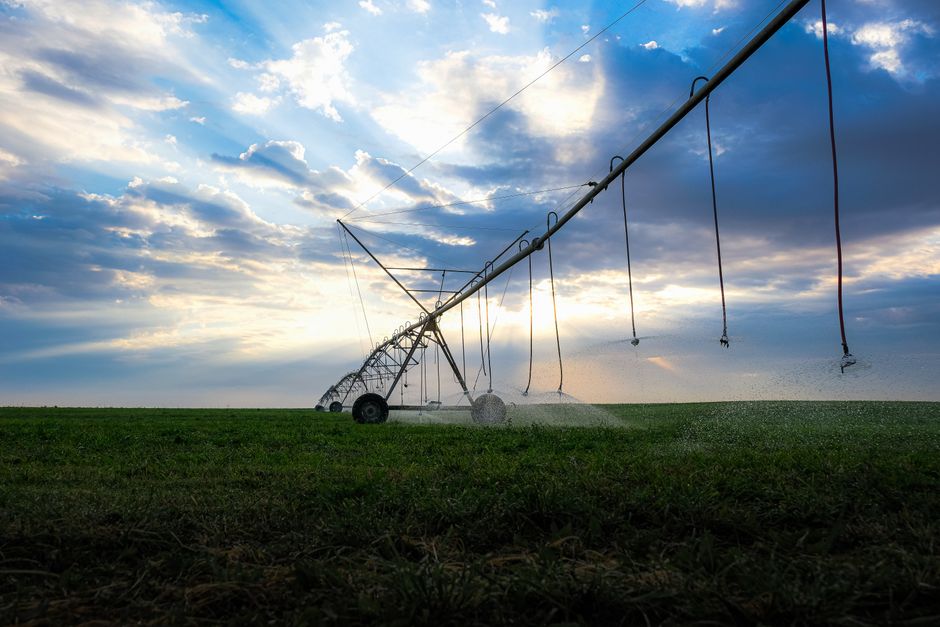
There are several types of irrigation systems, each designed to cater to different agricultural needs and environments. The most common systems include drip irrigation, surface irrigation, and sprinkler irrigation. Drip irrigation is highly efficient, delivering water directly to the roots of plants, which minimizes wastage. Surface irrigation, on the other hand, involves flooding fields with water, allowing it to seep into the soil. Sprinkler irrigation simulates natural rainfall, distributing water through a network of pipes and sprinklers. Each method has its advantages and disadvantages, making it crucial for farmers to choose the right system for their specific conditions.
For instance, drip irrigation is particularly beneficial in arid regions where water is scarce. According to a study by the Food and Agriculture Organization (FAO), drip irrigation systems can reduce water usage by up to 60% compared to traditional irrigation methods. This efficiency not only conserves water but also enhances crop yield, making it a preferred choice for many farmers.
Surface irrigation, while less efficient, can be suitable for crops that require a larger volume of water. However, it is essential to manage this type of irrigation carefully to prevent waterlogging and soil erosion. Sprinkler systems, although versatile, can be less effective in windy conditions, leading to evaporation losses. Understanding these nuances is vital for optimizing water resource management in agriculture.
Benefits of Efficient Irrigation Systems
Implementing efficient irrigation systems brings numerous benefits beyond just water conservation. By utilizing advanced techniques, farmers can achieve higher crop yields, reduce labor costs, and enhance soil health. For example, the use of automated irrigation systems allows for precise water application, ensuring that crops receive the exact amount they need at the right time.
Moreover, efficient irrigation practices contribute to sustainable agriculture. By minimizing water wastage, farmers can mitigate the impacts of drought and climate change. A report by the United Nations indicates that improving irrigation efficiency could increase food production by 20-50% in regions facing water scarcity, thus playing a crucial role in global food security.
Furthermore, adopting modern irrigation technologies can also lead to better nutrient management. When water is applied correctly, it helps in the optimal uptake of fertilizers by plants, reducing the risk of nutrient runoff into water bodies. This not only protects the environment but also ensures that farmers get the most out of their investments in fertilizers.
Technological Advancements in Irrigation
The field of irrigation technology is continually evolving, with innovations that aim to enhance efficiency and sustainability. Precision agriculture techniques have emerged as a game-changer, allowing farmers to monitor and manage their irrigation systems more effectively. Sensors, satellite imagery, and data analytics provide real-time insights into soil moisture levels, weather patterns, and crop health.
One notable advancement is the development of smart irrigation systems that utilize IoT (Internet of Things) technology. These systems can automatically adjust water delivery based on current environmental conditions, significantly improving water use efficiency. For example, a study published in the Journal of Irrigation and Drainage Engineering found that IoT-based irrigation systems can reduce water consumption by up to 30% while maintaining crop yields.
Moreover, the integration of renewable energy sources, such as solar-powered pumps, is gaining popularity in irrigation practices. This not only reduces operational costs but also minimizes the carbon footprint associated with conventional irrigation methods. As these technologies continue to advance, they hold the potential to transform the agricultural landscape.
Challenges in Implementing Irrigation Systems
While the benefits of efficient irrigation systems are clear, several challenges hinder their widespread adoption. One significant barrier is the initial cost of installation and maintenance. Many farmers, especially in developing countries, may lack the financial resources to invest in modern irrigation technologies. Government subsidies and financial assistance programs can play a crucial role in addressing this issue, encouraging farmers to adopt more efficient practices.
In addition to financial constraints, there is often a lack of knowledge and training regarding modern irrigation techniques. Educating farmers about the benefits and operation of advanced irrigation systems is essential for fostering adoption. Extension services and agricultural training programs can bridge this knowledge gap, equipping farmers with the necessary skills to implement and manage these systems effectively.
Lastly, environmental factors such as soil type, topography, and climate variability can impact the effectiveness of irrigation systems. Tailoring irrigation practices to local conditions is vital for achieving optimal results. Policymakers and agricultural researchers must work together to develop region-specific guidelines that consider these factors.
Conclusion
In conclusion, irrigation systems are a cornerstone of modern agriculture, providing the necessary water for crop growth in a world facing increasing water scarcity. Understanding the different types of irrigation systems and their respective benefits is crucial for farmers aiming to optimize their water usage. Technological advancements continue to revolutionize the way irrigation is managed, making it more efficient and sustainable. However, overcoming challenges related to cost, knowledge, and environmental factors is essential for ensuring the widespread adoption of these systems. By investing in efficient irrigation practices, we can secure a more sustainable agricultural future.
For further reading and detailed studies on irrigation systems, visit irrigation system resources.
