
When it comes to household appliances, few are as essential as the dryer. With the ability to quickly and efficiently dry our clothes, a dryer saves us time and energy, allowing us to focus on other essential tasks. However, many homeowners may not fully understand the different types of dryers available or how to maintain them properly. This comprehensive guide aims to provide you with all the information you need about dryers, including types, features, and maintenance tips.
Understanding Different Types of Dryers
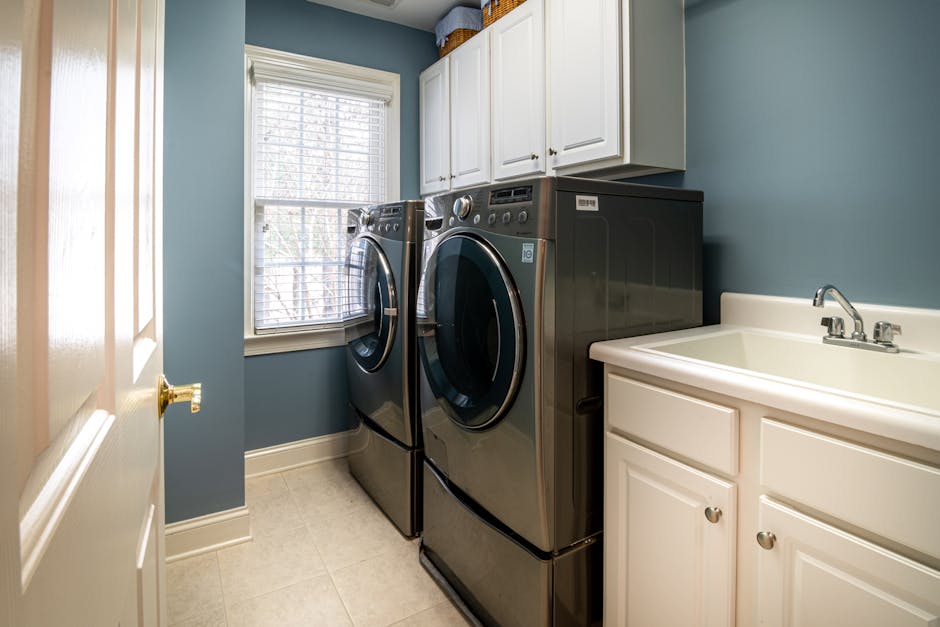
Dryers come in several varieties, each designed to suit different needs. The most common types are vented, condenser, and heat pump dryers. Vented dryers are the traditional option, expelling moisture-laden air outside through a vent. They are typically faster and more affordable but require proper installation to ensure efficient operation.
On the other hand, condenser dryers work by extracting moisture from the air and collecting it in a reservoir. This type is ideal for homes without external venting options. Heat pump dryers are the most energy-efficient option, using a heat exchanger to recycle hot air and reduce energy consumption. While they may have a higher upfront cost, their long-term savings can be significant.
Key Features to Consider
When selecting a dryer, it’s essential to consider various features that can enhance your laundry experience. Look for options with moisture sensors that prevent over-drying, as this not only protects your clothes but also saves energy. Additionally, consider models with multiple drying cycles tailored to different fabric types, ensuring optimal care for your garments.
Another feature to keep in mind is the drum capacity. Larger drums can accommodate bigger loads, which is particularly useful for families or those who frequently do laundry. Finally, energy efficiency ratings are crucial; choosing a dryer with a high rating can lead to significant savings on your utility bills.
Maintenance Tips for Longevity
Proper maintenance is key to ensuring that your dryer operates efficiently and lasts for years. Regularly cleaning the lint trap after each use is essential to prevent fire hazards and maintain airflow. Additionally, it’s advisable to inspect the venting system periodically, checking for clogs or damage that could impede performance.
Every few months, consider deep cleaning your dryer. This involves cleaning the drum, checking the door seal, and ensuring that all parts are functioning correctly. If you encounter issues that you are unable to resolve, it may be time to seek professional assistance. For residents in Ottawa, expert help is available through Dryer repair ottawa.
Common Dryer Issues and Troubleshooting
Even the best dryers can encounter problems. Some common issues include the dryer not starting, not heating, or making unusual noises. If your dryer won’t start, check the power supply and ensure that the door is securely closed. If it’s not heating, the problem may lie with the heating element or thermostat.
Noisy dryers may indicate worn-out bearings or a malfunctioning drum support. Regularly inspecting and addressing these issues can save you from costly repairs down the line. Always consult your user manual for specific troubleshooting tips related to your dryer model.
Conclusion
In conclusion, understanding the various types of dryers, their features, and maintenance requirements can greatly enhance your laundry experience. By selecting the right dryer for your needs and taking the time to care for it, you can enjoy efficient and effective laundry days for years to come. Remember, should you face any challenges, professional assistance is just a call away.
