
The construction industry is on the brink of significant transformation, driven by technological advancements and changing consumer demands. As urbanization continues to rise, the need for efficient, sustainable, and innovative construction methods becomes increasingly critical. In this article, we will explore the key trends shaping the construction industry and the innovative solutions that are poised to redefine the way we build.
Technological Advancements in Construction
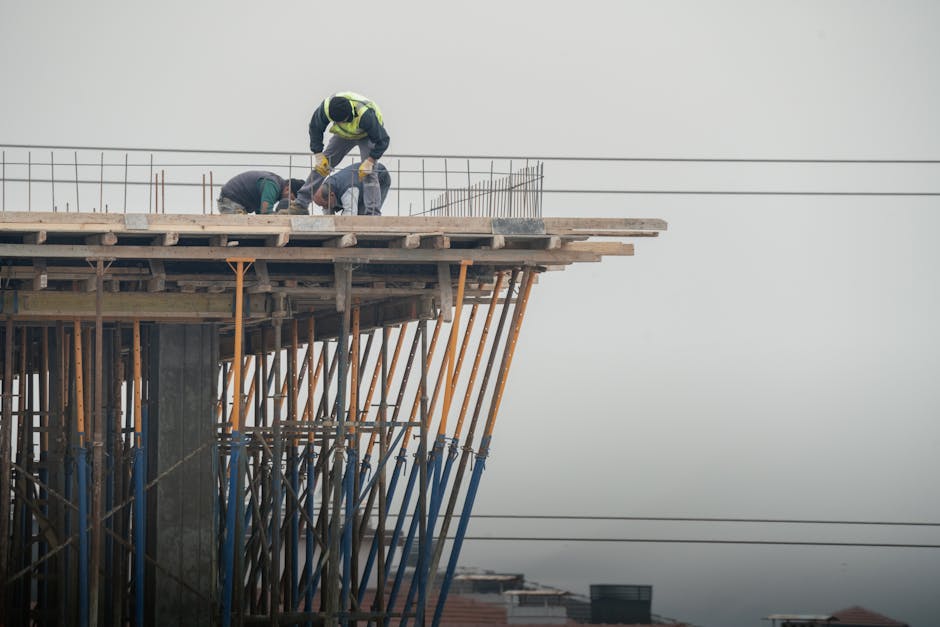
In recent years, technology has played a pivotal role in revolutionizing the construction sector. From Building Information Modeling (BIM) to drones and robotics, these advancements are enhancing efficiency and safety on job sites. BIM, in particular, allows for better collaboration among various stakeholders by providing a 3D visualization of the project, which minimizes errors and rework.
Drones are being utilized for aerial site surveys, enabling project managers to assess progress and identify potential issues without the need for manual inspections. This not only saves time but also reduces the risk of accidents. Moreover, the introduction of robotics in construction tasks, such as bricklaying and demolition, is helping to address labor shortages and improve safety.
Sustainability and Green Building Practices
As environmental concerns continue to grow, sustainability has become a top priority in the construction industry. Green building practices are not just a trend; they are now a necessity. The use of sustainable materials, energy-efficient designs, and waste reduction techniques are being adopted widely. For instance, using recycled materials in construction can significantly reduce the carbon footprint of a project.
Moreover, many construction projects are now aiming for certifications such as LEED (Leadership in Energy and Environmental Design), which recognizes buildings that meet high environmental standards. This shift towards sustainability is not only beneficial for the planet but also for businesses, as consumers increasingly prefer eco-friendly options.
Challenges Facing the Construction Industry
Despite the positive trends, the construction industry faces several challenges that could hinder its progress. One of the most significant issues is the skilled labor shortage. As experienced workers retire, there is a gap in skilled labor that younger generations have not filled. This shortage can lead to delays and increased costs in construction projects.
Additionally, regulatory challenges and compliance with safety standards can be daunting for construction firms. Navigating the complex landscape of local, state, and federal regulations requires significant resources and expertise. Companies must stay informed about these changes to avoid penalties and ensure smooth project execution.
The Role of Collaboration in the Construction Industry
Collaboration among various stakeholders is crucial for the success of construction projects. Architects, engineers, contractors, and clients must work together seamlessly to ensure that projects are completed on time and within budget. Enhanced communication tools and platforms are emerging to facilitate this collaboration.
For example, construction networks such as construction network charlotte nc provide a platform for industry professionals to connect, share resources, and collaborate on projects. This networking can lead to innovative ideas and solutions that benefit the entire industry.
Looking Ahead: The Future of Construction
The future of the construction industry looks promising, with continued innovations and a focus on sustainability. As technology evolves, we can expect to see more advancements in automation, artificial intelligence, and smart construction practices. These innovations will not only improve efficiency but also enhance safety and reduce environmental impact.
Moreover, as consumer preferences shift towards sustainable and smart buildings, the industry will need to adapt to meet these demands. Embracing change and being open to new ideas will be essential for construction firms aiming to thrive in this dynamic landscape.
Conclusion
In summary, the construction industry is undergoing a significant transformation, driven by technology, sustainability, and collaboration. While challenges such as skilled labor shortages and regulatory compliance remain, the opportunities for innovation and growth are abundant. By embracing these trends and working together, the construction industry can build a brighter, more sustainable future.
