
Aerial drone photography has revolutionized the way we capture and perceive the world around us. With the advent of advanced drone technology, photographers and enthusiasts alike are able to explore new perspectives, uncover hidden landscapes, and document events from unique vantage points. This article delves into the intricacies of aerial drone photography, its benefits, techniques, and the future it holds for both professionals and hobbyists.
The Rise of Drone Technology
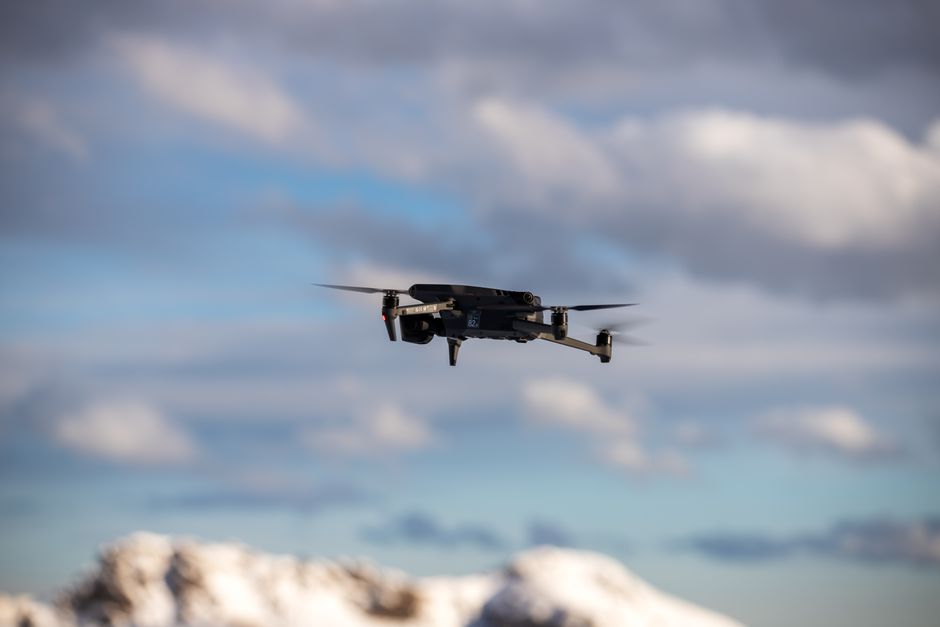
The rapid advancement of drone technology has transformed aerial photography from a niche hobby into a mainstream practice. In the past, obtaining aerial shots required expensive equipment, such as helicopters or planes, and the expertise of trained pilots. However, with the introduction of consumer drones, anyone can now take stunning aerial photographs with relative ease. According to a report by the Federal Aviation Administration (FAA), the number of registered drones in the United States alone has surpassed 1.7 million, highlighting the growing popularity of this technology.
Moreover, as drone capabilities continue to evolve, features such as GPS stabilization, 4K video recording, and automated flight modes have become standard. These advancements allow photographers to focus on creativity rather than technical challenges, making aerial photography more accessible than ever.
Essential Techniques for Capturing Stunning Aerial Shots
To master the art of aerial drone photography, understanding specific techniques is crucial. First and foremost, lighting plays a significant role in photography. The golden hours—shortly after sunrise and before sunset—provide the best natural light for captivating images. Additionally, experimenting with different altitudes can yield diverse perspectives, allowing photographers to capture both sweeping landscapes and intricate details.
Another vital aspect is composition. Utilizing the rule of thirds can help create visually appealing images. Positioning key elements along the grid lines or at their intersections often results in more balanced and engaging photographs. Furthermore, incorporating leading lines, such as roads or rivers, can draw the viewer’s eye into the image, creating a sense of depth.
Lastly, post-processing is an essential step in enhancing aerial photographs. Software like Adobe Lightroom or Photoshop allows photographers to adjust colors, contrast, and sharpness, bringing their images to life. The goal is to maintain a natural look while enhancing the photograph’s overall impact.
Applications of Aerial Drone Photography
The applications of aerial drone photography are vast and varied, ranging from real estate marketing to environmental monitoring. In real estate, high-quality aerial shots can showcase properties from unique angles, highlighting their surroundings and features. According to a study by the National Association of Realtors, listings with aerial images receive 68% more inquiries than those without.
In the field of agriculture, drones provide farmers with valuable insights into crop health and land conditions. By capturing images of fields from above, farmers can identify areas that require attention, ultimately improving yield and efficiency. Similarly, environmental organizations utilize aerial photography to monitor wildlife, assess habitat changes, and document natural disasters.
Legal Considerations for Drone Photography
While aerial drone photography offers exciting opportunities, it also comes with legal responsibilities. Photographers must be aware of the regulations governing drone use in their respective countries. In the United States, for instance, the FAA requires drone operators to register their devices and adhere to specific flight rules, such as maintaining a line of sight and avoiding restricted airspace.
Additionally, privacy concerns are paramount. Photographers should respect individuals’ privacy and avoid capturing images in areas where people have a reasonable expectation of privacy, such as backyards or private properties. Being responsible and ethical in drone photography not only fosters good relationships with the community but also ensures compliance with legal standards.
The Future of Aerial Drone Photography
As technology continues to advance, the future of aerial drone photography looks promising. Emerging trends, such as artificial intelligence and automated editing software, are set to streamline the photographic process, making it even more accessible. Furthermore, the integration of augmented reality (AR) could enhance the way we interact with aerial images, offering immersive experiences.
Moreover, as drones become increasingly equipped with advanced sensors and imaging technologies, the potential for capturing breathtaking imagery will expand. From capturing stunning landscapes to documenting humanitarian efforts, aerial drone photography will continue to play an essential role in storytelling and visual communication.
In conclusion, aerial drone photography opens up a world of possibilities for photographers and enthusiasts alike. With the right techniques, ethical considerations, and a keen eye for composition, anyone can harness the power of aerial imagery to create breathtaking visual narratives. To explore more about this exciting field, consider diving into the resources available on aerial drone photography.
