
The interior design of a restaurant plays a crucial role in creating the overall dining experience. From the layout to the color palette, every detail contributes to how customers perceive the establishment and enjoy their meals. In an industry where competition is fierce, effective restaurant interior design can be the key to standing out and attracting a loyal customer base.
Understanding the Importance of Restaurant Interior Design
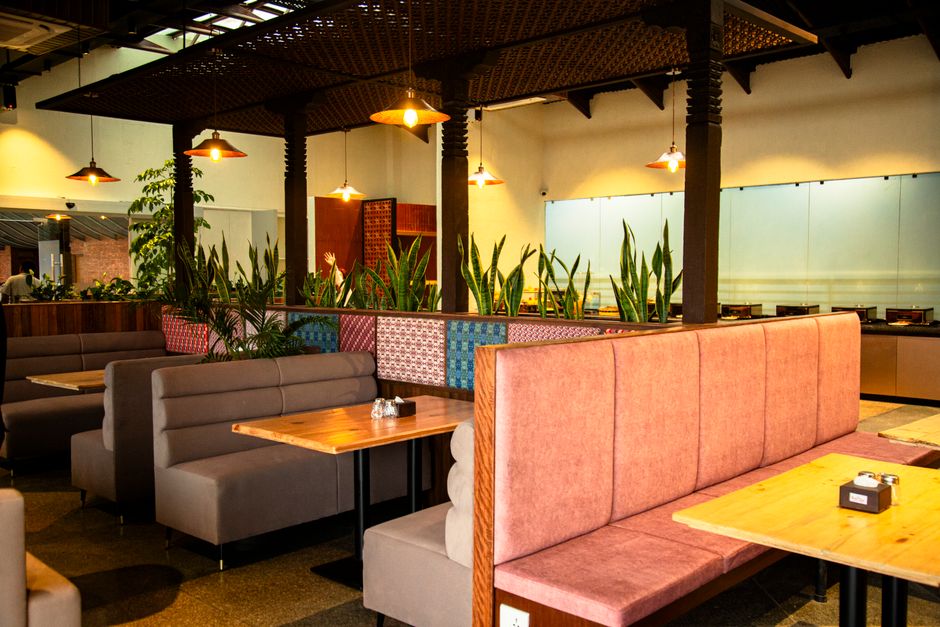
Restaurant interior design is not merely about aesthetics; it encompasses functionality, comfort, and brand identity. A well-designed space can enhance the dining experience by creating a welcoming atmosphere that encourages guests to linger longer. Studies have shown that customers are more likely to return to a restaurant where they feel comfortable and at ease.
Moreover, the layout of a restaurant should facilitate smooth operations. For instance, the placement of the kitchen in relation to the dining area can significantly impact service efficiency. An open kitchen design can create a sense of transparency and engagement, allowing diners to see their meals being prepared, thereby enhancing their overall experience.
Key Elements of Effective Restaurant Interior Design
Several elements contribute to successful restaurant interior design. These include color schemes, lighting, furniture selection, and spatial organization. Each of these components should align with the restaurant’s theme and target demographic.
Color schemes play a psychological role in how customers react to a space. For example, warm colors like reds and oranges can stimulate appetite, while cooler tones can create a calming atmosphere. Lighting is equally vital; it can set the mood for dining and influence how food is perceived. Dimmable lighting options can allow for a transition from bright, energetic dining during lunch to a more intimate setting for dinner.
Incorporating Branding into Design
Brand identity is another crucial aspect of restaurant interior design. The design should reflect the restaurant’s concept, whether it’s a casual eatery or a fine dining establishment. For instance, a farm-to-table restaurant might incorporate natural materials like wood and stone to evoke a rustic feel, while a modern sushi bar may opt for sleek lines and minimalist decor.
Effective branding through interior design can also include the use of logos, color schemes, and unique design features that customers can associate with the restaurant. This helps create a memorable experience that encourages repeat visits. A well-thought-out design can turn a simple meal into an experience that diners want to share.
Case Studies: Successful Restaurant Designs
Looking at successful restaurant design examples can provide invaluable insights. Take, for instance, the design of a popular chain restaurant known for its vibrant atmosphere and community-oriented feel. The use of local artwork, community seating arrangements, and an open kitchen concept has created a space that feels both welcoming and lively.
Another example is a high-end restaurant that incorporates luxurious materials and elegant furnishings. This establishment uses dim lighting and plush seating to create an intimate dining experience, targeting couples looking for a romantic night out. Such design choices not only enhance the dining experience but also help in positioning the restaurant within the premium market segment.
Implementing Sustainable Practices in Design
As sustainability becomes increasingly important to consumers, many restaurants are integrating eco-friendly practices into their interior design. This can range from using reclaimed materials to sourcing furniture locally, reducing carbon footprints. Additionally, energy-efficient lighting and fixtures can significantly cut down on operational costs while appealing to environmentally conscious diners.
Restaurants that prioritize sustainability in their design choices often find that it resonates well with their target audience, leading to increased customer loyalty. Incorporating greenery, such as indoor plants or vertical gardens, can also enhance the aesthetic while improving air quality, contributing to a healthier dining environment.
Conclusion: The Future of Restaurant Interior Design
In conclusion, restaurant interior design is an essential element that influences customer satisfaction and business success. As the industry evolves, so do the trends and technologies that shape how restaurants are designed. From creating inviting atmospheres to implementing sustainable practices, the future of restaurant interior design will continue to focus on enhancing the customer experience.
For those looking to dive deeper into the world of restaurant interior design, understanding the interaction between space, branding, and customer psychology is paramount. As restaurants strive to create unique and memorable dining experiences, the importance of thoughtful design will only continue to grow.
